SASEUL (coin SL) can be mined with a home computer's graphics card. This site checks how to mine it, mining records, and what people say about it against public sources. SASEUL facts →
What people ask most right now
- When will the hard fork be finished?
- BitMart is closing. What about my SL?
- Listing on Upbit or Binance? No official word
- Restored my wallet and got a different one
- Is SASEUL a scam? What public records show
- Paid for coins that never came? Scam alert
- Has the chain stopped? Check in 1 minute
- Which channels and sites are official?
Latest posts
-
SASEUL Mining Difficulty Fell From 800T to 385T and Climbed Back to 612T Within a Day and a Half, So How Much Does the Same Graphics Card's Share Change?
SASEUL mining difficulty was 800T in the record from 4 a.m. on November 15, then 385T on the official explorer at 5:22 p.m. on November 16, then 612T in the record from 7:49 p.m. that same day. The record from 8 a.m. on November 21 shows 677T. Here is how the share of the same graphics card changes in theory, date by date.

-
SASEUL Node Program Version 2.3.0.0 and the Hard Fork (2.3) on November 30, 2026 at 9 a.m. Korean Time
On November 20, 2026, official SASEUL Telegram notice #88 announced node program version 2.3.0.0. The hard fork (2.3) happens at 00:00 UTC on November 30, 2026, which is 9 a.m. Korean time. Here's what changes with this hard fork, what people who run a node or mine should do ahead of time, and how to pick a Docker image, all taken from the notice text.
-
How Much Hashrate Does My Graphics Card Get on SASEUL?
On the front pages of the official explorer and three pool sites, I found no table of SASEUL hashrate by graphics card name (checked November 15, 2026). You can measure your own card on the mining program's screen in a few minutes, then divide it by the total hashrate estimated from difficulty, about 14.67 TH/s, to estimate your share.
-
Guardee wallet vs. MetaMask
The SASEUL Guardee wallet receives and sends SL on the SASEUL ledger. MetaMask is a separate wallet you use to connect to Lubics and Hyperliquid. The addresses and recovery words are different, so here is how to tell them apart and avoid the mix-ups.
For SL holders
What people who hold SASEUL coins, or were told to buy them, ask most: exchange withdrawals, the hard fork, wallet recovery, scams and official channels, checked against public sources.
-
SL on Hyperliquid, from planned to live
SASEUL's official Telegram notice 85 (October 19) said SL spot trading on Hyperliquid would open within about 72 hours, and notice 87 (October 24) said trading had started. Here is the order of events from the planned notice to the start of trading, and where things stand now, in one table.

-
BitMart's November update: anything new for my SL?
In a November 2026 notice, BitMart said it held consultations with its Top 50 Users on November 2 and 12 and has started work on the legal documentation. It again gave no recovery amount, ratio or timing. Here is what to look at if you hold SASEUL SL.

-
Can you send USDT or USDC directly on the SASEUL ledger?
I opened the official supported-network lists from Tether and Circle to check whether official USDT or USDC can be sent directly on the SASEUL ledger. I couldn't find SASEUL on either list. Here is what it takes for a stablecoin to officially exist on a chain, and the way SL and USDC can be used together today (Hyperliquid).

Try mining
Records from mining on one graphics card, setup guides, and how to work out the electricity cost.
-
Which Pays More on SASEUL, a Big Mining Pool or a Small One?
If the fee and the way rewards are split are the same, a big and a small SASEUL mining pool pay the same on average. What changes is how bumpy it feels. In the pool site's records, when the pool held 0.2% of the whole network in September, blocks came about 9 hours apart. At 4.2% on October 24, they came about every 24 minutes.

-
Why Does Daily Pool Mining Income on SASEUL Jump Around?
In SASEUL pool mining, rewards are shared only after the pool finds a block (one page of the ledger), so a day can pay nothing and the next can pay a lot. On the pool screen on November 6, 2026, blocks averaged about 3 hours apart, but the recent list showed gaps of 8, 15 and 32 hours. Judge by two-week stretches, not single days.

-
How to Read the SASEUL Official Explorer's Home Screen (Just Six Numbers)
The SASEUL official explorer's home screen has six boxes: main blocks, resource blocks, transactions, nodes, difficulty and interval. Here is what each one means, using the numbers on screen on November 5, 2026, plus how to check your own mining payouts.
Things people often say
Widely repeated claims about SASEUL, checked against public sources and rated.
-
Is SASEUL a Scam?
Is SASEUL a scam? The public record shows a Proof of Work chain running since May 2022, a named company (ArtiFriends Inc.), GPU mining pools and a wallet. Here's how to check it yourself in 5 minutes, plus tips that work on any blockchain.

-
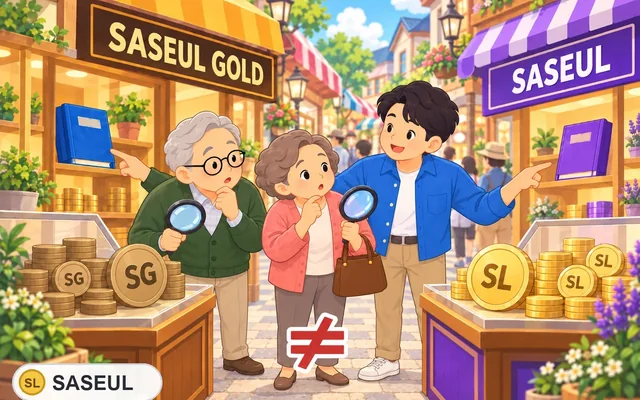
Are SASEUL GOLD and SASEUL the Same Coin?
SASEUL GOLD (ticker SG) and SASEUL (ticker SL), made by ArtiFriends, are different coins. The maker, the ledger (blockchain), the ticker, the official site and the exchanges they traded on are all separate. I opened the public sources myself on September 29, 2026 and compared them.
-
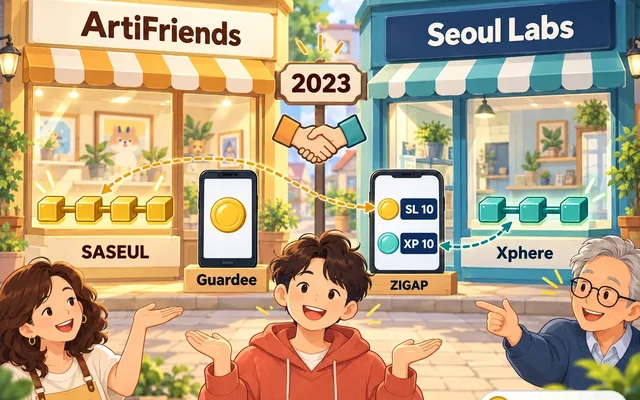
How Are SASEUL, Xphere, Seoul Labs and ZIGAP Related?
SASEUL and its official wallet app Guardee were made by Artifriends. Xphere (XPHERE) and the ZIGAP wallet app were made by Seoul Labs, a company that signed a cooperation agreement (MOU) with Artifriends in 2023.
Tech notes
How SASEUL works under the hood, like its two chains, mining rewards and difficulty, checked against the official docs and explorer.
-
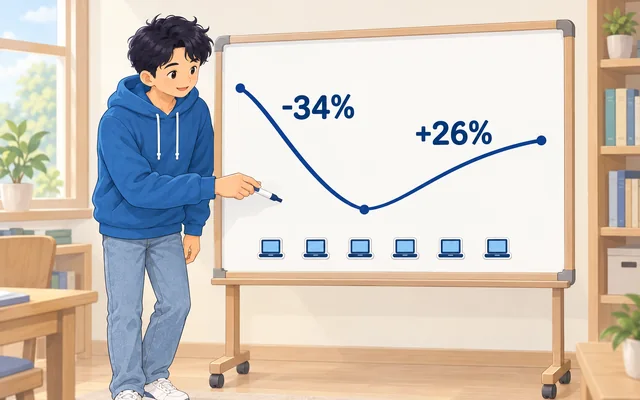
SASEUL Weekly Network Log #1, Sep 27 to Oct 3, Hashrate Dropped and Then Climbed Back
From September 27 to October 3, 2026, SASEUL's total calculating speed fell from 6.88 trillion a second to 4.54 trillion, then climbed back to 5.74 trillion. Over the same stretch, the gap between blocks went from about 67 seconds to about 52 seconds, while the number of mining computers stayed at 43 to 46. One pool (saseulmine.com) mostly had less than 1% of the total.
-
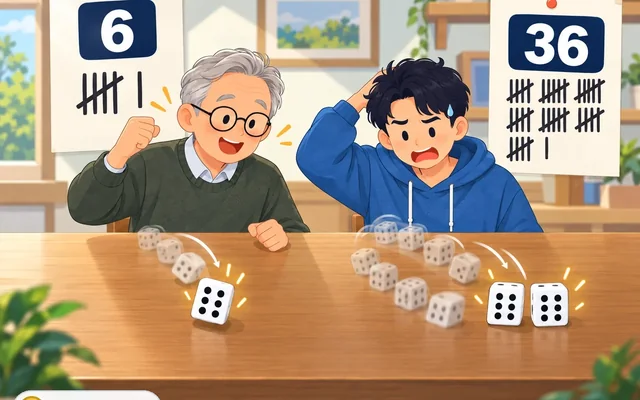
What Does the T in SASEUL Difficulty Mean?
The SASEUL official explorer's difficulty of 375.57T (September 27, 2026) is about 413 trillion calculations. Read it as the average number of calculations to find one block, and dividing by 60 seconds gives the calculating speed of all of SASEUL. The numbers were also worked through to show why the explorer (6.26 TH/s) and the pool site (6.88 TH/s) look different.
-
How Do SASEUL Mining Rewards Become SL?
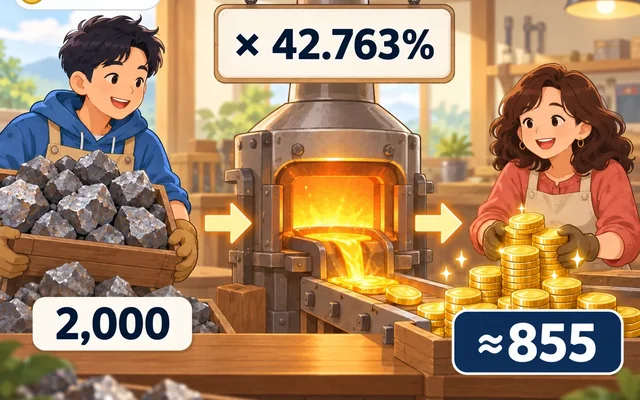
SASEUL mining rewards first pile up as resource, and only become SL when you refine them. On the official explorer on September 27, 2026, refining 100 resource gives about 42.8 SL. This rate shrinks by 27/32 each time, and the next reduction date worked out by the explorer is January 12, 2027.
What SASEUL is for
Tickets, draws, votes, savings clubs, shares of gold or buildings: what a blockchain ledger can and cannot do in daily life, and what SASEUL can be used for.
-
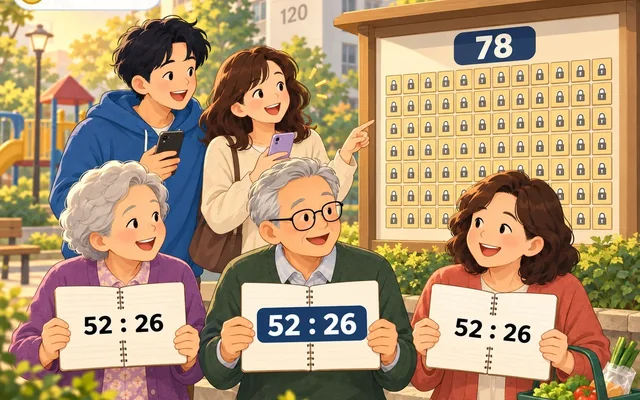
Could a Blockchain Stop Vote Rigging in Apartment Council Elections?
Put an apartment complex's building rep or women's association election on a blockchain record book, and it gets hard to secretly change votes once they're written, and anyone can count them again. But it can't stop someone else from tapping the phone, or someone watching over your shoulder. I checked Korea's National Election Commission online voting and trials abroad in public sources.
-
Could Putting a Gye (Korean Savings Club) on a Blockchain Stop the Organizer From Vanishing With the Money?
Run a gye's money through a blockchain record book and a smart contract, and everyone sees who paid, and the money goes to that month's turn without passing through the organizer. But it can't force a member who stops paying to pay. I opened and checked news about gye collapses, a blockchain gye abroad, and material on a Korean gye app's designation myself on September 29, 2026.

-
Can a Prize Draw or Lottery on a Blockchain Not Be Rigged?
Does running a prize draw or lottery on a blockchain end rigging? I checked public sources on how it works (seal things first, draw with a number that comes out later, let anyone redo the math), real cases like Upbit and Korea's Donghaeng Lottery, and what a blockchain can't stop. SASEUL's official X account introduced 'verifiable random numbers' for the lottery industry in September, and I touch on that news briefly.