Can a Prize Draw or Lottery on a Blockchain Not Be Rigged? How Verifiable Draws Work and Their Limits
Can a draw on a blockchain not be rigged?
It can't end rigging, but it makes it hard to hide. Seal things first and let anyone redo the math
Seal first
Fingerprint of the rules and a secret number on the record book
Entries close
The entry list goes on the record book too
Later number
A number the organizer can't know ahead of time
Anyone redoes the math
Check you get the same answer
It can't end rigging completely. But it can make rigging hard to hide. The idea is to seal the rules and a number before the draw, and then let anyone redo the same math after the draw.
The news that the company that made SASEUL introduced "verifiable random numbers" at a lottery event in September is in my post on the APLA 2026 lottery conference. I couldn't find in public sources how those random numbers can be checked.
What's wrong with draws today?
Only the side doing the draw can see how it's done. In an online draw, entrants can't see the process, but the organizer can see the entrants' details. That's the problem Korean telecom company KT pointed out in a May 2021 post about its own service.
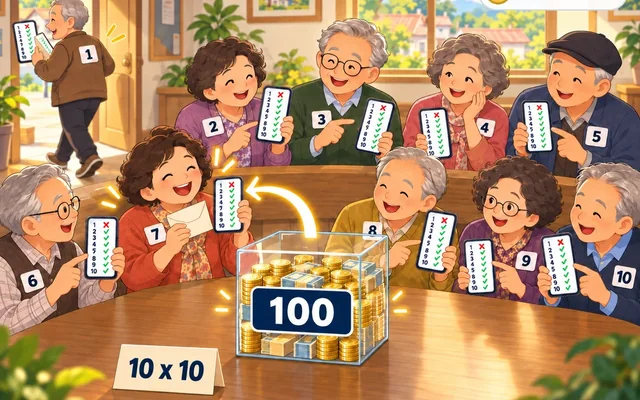
Ball draws get doubted too. According to a Dong-A Ilbo article (November 25, 2024), after people kept claiming that Lotto wins were rigged, Donghaeng Lottery, the company that runs Korea's lottery under contract, held a public draw in front of 100 observers, 5 times the usual number, to clear up the doubts. The draw balls are unsealed and weighed in front of a police officer. A Donghaeng Lottery official said the draw is designed to be random, so rigging is impossible.
Outside Korea, there have been cases where rigging really came to light. Cloudflare wrote in 2019 that weighted balls were used in a 1980 Pennsylvania lottery draw in the US. In August 2017, a former security director of the association (MUSL) that ran the lottery draw software for several US states got 25 years in prison. He had secretly changed the draw software's code so he could know the winning numbers ahead of time.
What changes with a blockchain?
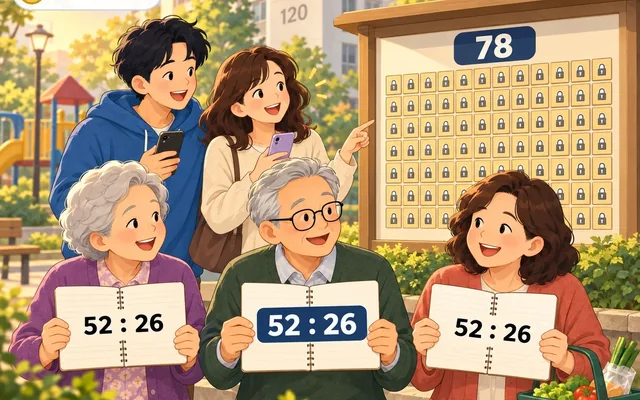
First, you seal. Before taking entries, you write the fingerprint of the draw rules and the organizer's secret number on the blockchain (a record book that lots of people hold together). When entries close, you also write the fingerprint of the entry list, before the draw number comes out. A fingerprint is a value that changes completely if even one character of the content changes. If someone changes the list or the number later, the fingerprint won't match and it gets caught.
Then you mix in a number the organizer doesn't know. The random number comes from a public number that comes out after entries close. The UK Gambling Commission's technical standards say that if a lottery uses an outside event to decide the winner, the result has to be unpredictable and checkable from outside. They also say the operator must not be able to influence it.
Then anyone can redo the math. Many computers hold the record book, so it's hard for one place to change it quietly. Take the numbers from a block explorer (a site that shows the record book to anyone), do the math, and you should get the same winning number.
Has anyone actually tried it?
Yes, in Korea too. But using it for the draw itself is different from using it just to keep records.
| Who | When | What they did | Not in public sources |
|---|---|---|---|
| Upbit (a Korean crypto exchange run by Dunamu) | Announced June 3, 2024 | Gift card draw for a quiz event run with Korea's Financial Supervisory Service. Winners were picked using the first Ethereum block made after a set time, and anyone could see the result on the explorer. The program's blueprint (source code) was made public too | How many people took part, and whether anyone actually redid the math |
| Donghaeng Lottery (with Fasoo AI) | Announced August 25, 2026 | Fingerprints of purchase records and winning information for Lotto 6/45, Speetto 2000 and others go on a private blockchain (a record book only approved parties use). Also used for checking big wins | Whether the public can see that record book directly. Numbers are still drawn with balls from a draw machine |
Some places also hand out public random numbers. The US National Institute of Standards and Technology (NIST) has published a random number every minute, starting with a prototype in 2013. Each number comes with a time and a signature, and anyone can see past numbers. One of the listed uses is digital lotteries. It also says not to use them as secret keys, because everyone can see them.
In June 2019, Cloudflare, the University of Chile and others set up the League of Entropy. Several organizations each add to the number, and a public random number comes out every 60 seconds. The reason is that a number from just one place is hard to trust if that one place gets shaky.
What can't a blockchain stop?
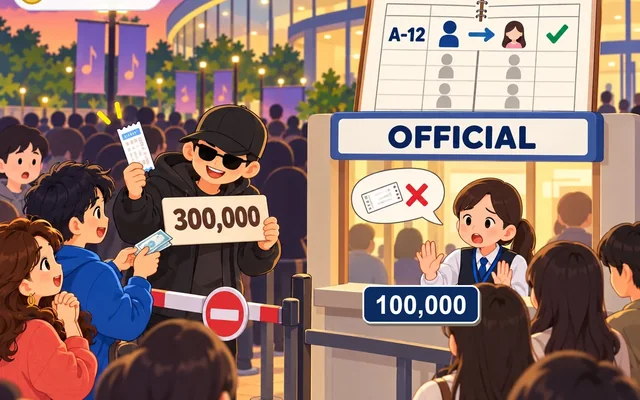
A record that was wrong from the start stays wrong. If someone is left off the list before it's sealed, the record book has no idea. That's why entrants need to be able to see for themselves that their number is on the list. Upbit sent entrants their entry numbers through KakaoTalk (Korea's most widely used messaging app, like WhatsApp).
If the organizer and whoever produces the later number work together, it's no use. In the example, if the person drawing 42 teams up with the organizer and picks the ball they want, they can set the result. My guess is that this is why real services use block fingerprints the organizer can't touch, or public random numbers from several organizations.
Whether the winner is really that person, and whether the prize was actually delivered, happens outside the record book. A record book only approved parties use helps stop forgery, but whether outsiders can check it themselves is a separate question.
The law is separate too. Under Article 4 of Korea's Lottery Tickets and Lottery Fund Act, no one but the Lottery Commission and operators it has entrusted can issue lotteries under that act. Even if you draw fairly with a blockchain, that doesn't mean just anyone can sell a lottery that collects money and pays out prizes.
What kind of blockchain SASEUL is (people in Korea also call it 사슬코인, "Saseul coin") is in SASEUL basic facts, and how its mining record book piles up is in my post on its two record books.
Sources
- Edaily · "업비트, 블록체인 기술 활용한 추첨 툴 개발…"공정성·투명성 확보"" (Upbit builds a blockchain draw tool, in Korean) · 2024-06-03, checked 2026-09-29
- Digital Times · "파수AI, 동행복권에 블록체인 기반 데이터 무결성 체계 구축" (Fasoo AI builds a blockchain data integrity system for Donghaeng Lottery, in Korean) · 2026-08-25, checked 2026-09-29
- KT Enterprise · "부정시비 논란 끝, 블록체인 기반 공정 추첨" (fair draws on a blockchain, in Korean) · 2021-05-18 (KT's post about its own service), checked 2026-09-29
- Dong-A Ilbo (Nate News) · ""로또 조작" 주장에 100명 참관단 꾸려 공개 추첨" (public draw with 100 observers after rigging claims, in Korean) · 2024-11-25, checked 2026-09-29
- Lottery Post · Lottery rigging mastermind sentenced to 25 years in prison · 2017-08-22, checked 2026-09-29
- Cloudflare blog · League of Entropy: Not All Heroes Wear Capes · 2019-06-17, checked 2026-09-29 (1980 Pennsylvania draw, public random number every 60 seconds)
- NIST CSRC · Interoperable Randomness Beacons · version updated 2025-02-05, checked 2026-09-29 (2013 prototype, every minute, digital lotteries, don't use as secret keys)
- UK Gambling Commission · RTS 7 Generation of random outcomes · version updated 2024-05-07, checked 2026-09-29
- Korea National Law Information Center · Lottery Tickets and Lottery Fund Act (in Korean) · Article 4 of the version in force from 2026-01-02, checked 2026-09-29
- Official SASEUL X · APLA Conference 2026 post · 2026-09-05 10:04 a.m. (Korea time), checked 2026-09-29 (introduces 'verifiable random numbers' for the lottery industry)
- Official SASEUL explorer · Resource Blocks · checked 2026-09-29 (page number, time and Blockhash shown publicly)
I opened and checked 4 articles, 2 company posts, NIST and UK Gambling Commission material, a Korean law, and SASEUL's official X and explorer directly on September 29, 2026.