Tech notes
How SASEUL works under the hood, like its two chains, mining rewards and difficulty, checked against the official docs and explorer.
-
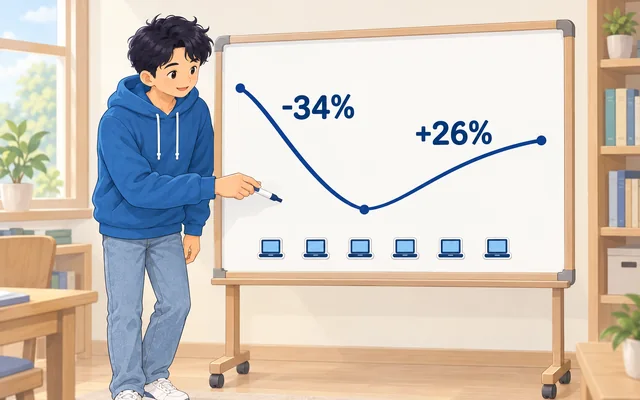
SASEUL Weekly Network Log #1, Sep 27 to Oct 3, Hashrate Dropped and Then Climbed Back
From September 27 to October 3, 2026, SASEUL's total calculating speed fell from 6.88 trillion a second to 4.54 trillion, then climbed back to 5.74 trillion. Over the same stretch, the gap between blocks went from about 67 seconds to about 52 seconds, while the number of mining computers stayed at 43 to 46. One pool (saseulmine.com) mostly had less than 1% of the total.
-
What Does the T in SASEUL Difficulty Mean?
The SASEUL official explorer's difficulty of 375.57T (September 27, 2026) is about 413 trillion calculations. Read it as the average number of calculations to find one block, and dividing by 60 seconds gives the calculating speed of all of SASEUL. The numbers were also worked through to show why the explorer (6.26 TH/s) and the pool site (6.88 TH/s) look different.

-
How Do SASEUL Mining Rewards Become SL?
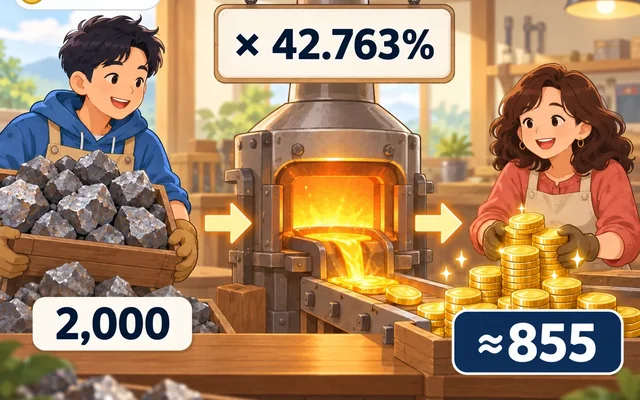
SASEUL mining rewards first pile up as resource, and only become SL when you refine them. On the official explorer on September 27, 2026, refining 100 resource gives about 42.8 SL. This rate shrinks by 27/32 each time, and the next reduction date worked out by the explorer is January 12, 2027.
-
Does SASEUL Have Two Blockchains?
SASEUL runs on two record books, the resource chain where mining happens and the main chain that records transactions. Computers that win at mining take turns in 9 validator seats, and a page of the transaction record book goes through once 6 of the 9 seats sign. Finality time varies by source, from a few seconds to about 600 seconds.