If an exchange gets hacked, does the SASEUL blockchain get hacked too? No, what matters is where your SL is
If an exchange gets hacked, is the blockchain hacked too?
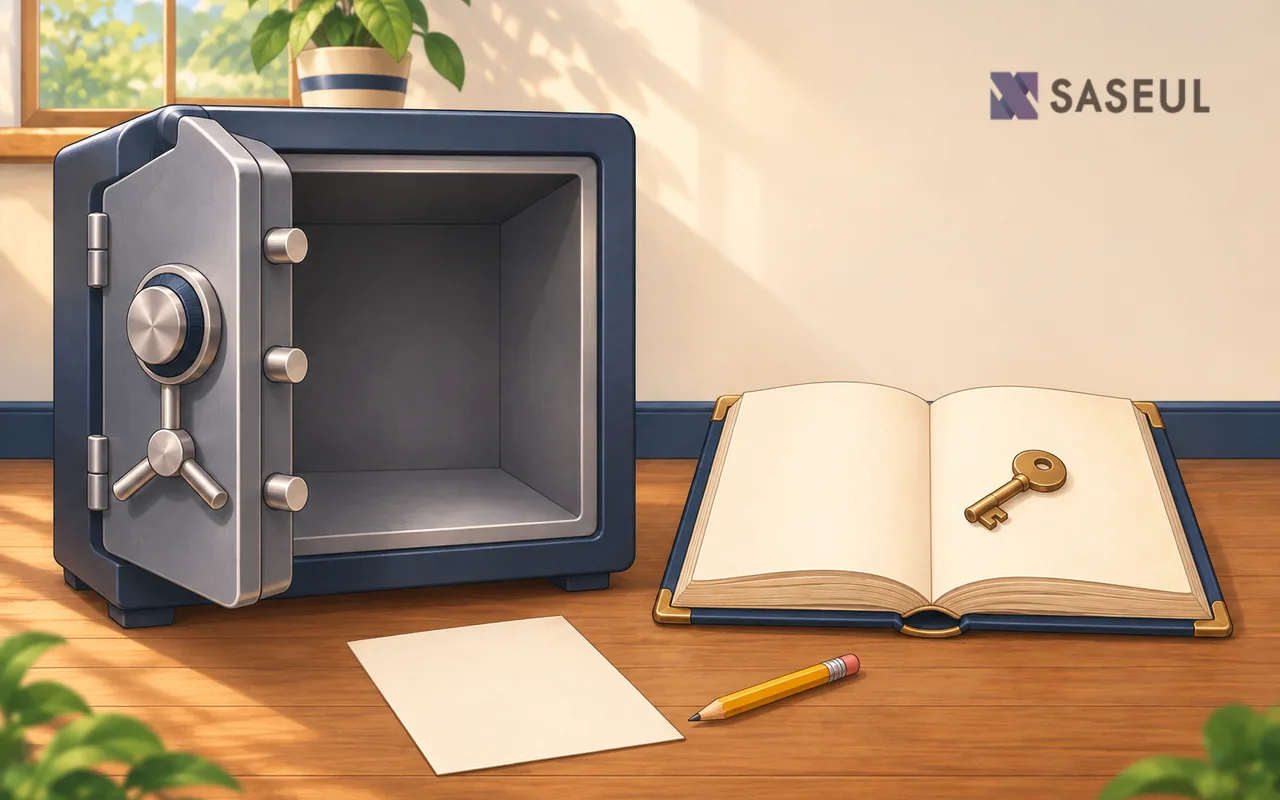
No. The exchange's vault and the SASEUL ledger are separate
Exchange website
A vault the company keeps. This is the part that can be hacked
SASEUL ledger
A record anyone can see in the explorer. It runs separately
Your wallet
Only someone with the recovery phrase can open it
When news breaks that a big exchange was hacked, the claim that "the blockchain was hacked" often goes around with it. Most of the time that isn't true. What gets hit is the exchange company's website and vault, and the blockchain ledger is somewhere else. Still, if you left your coins on an exchange, those coins depend on that exchange's situation. That's why "where is my SL right now" matters most.
SASEUL's official X separated "the website was hacked" from "the blockchain was hacked"
On October 30, 2026 (7:34 pm Korea time), SASEUL's official X account posted about an article on worries over a big exchange hack. The post said: "This was not a blockchain hack. It was a website hack." In other words, the blockchain wasn't broken, a website was. It also added that people shouldn't run blockchain technology down.
The article reports that Binance, the exchange with the largest trading volume in the world, lost about 6.3 billion dollars (NBC News article, October 30, 2026). According to the article, Binance said one laptop was compromised, which let attackers into a company service and submit withdrawals nobody had approved. Binance paused deposits and withdrawals and said it would cover all the losses itself.
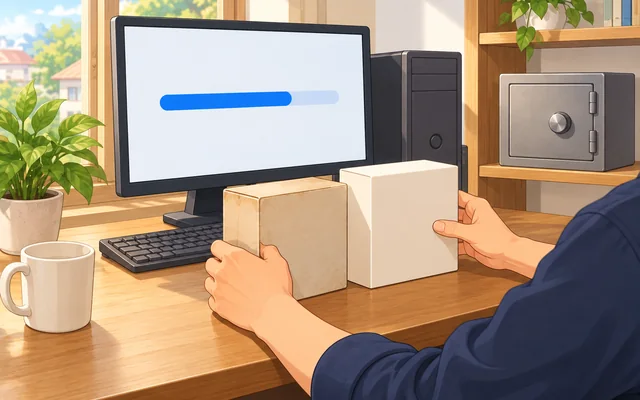
Looking at what was hit makes the X post easier to understand. What got broken into was a company computer and a company service. The ledger's rules weren't broken. The ledger just recorded the withdrawal requests that the company's service sent in.
In bank terms, an exchange is the counter and vault, and the blockchain is the ledger everyone can see
When a bank branch is robbed, the money records of the whole country don't disappear. The branch is what got hit, and the transaction records exist elsewhere too.
An exchange and a blockchain relate in a similar way. An exchange is a company vault that holds coins for you. A blockchain is a shared ledger that records who holds how many coins at which address. Anyone can open the SASEUL ledger in the explorer (explorer.saseul.com).
So even if an exchange's vault is broken into, the ledger's rules haven't changed. The reverse is also true. Even when the ledger is fine, coins left in a vault are the company's job to protect.
Centralized and decentralized exchanges differ in who holds the coins
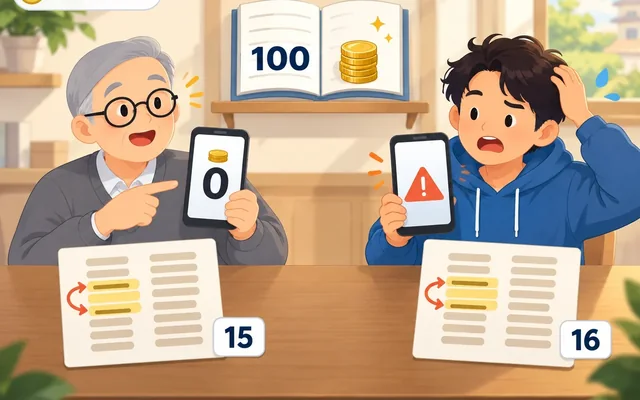
A centralized exchange is a place where a company holds your coins. When you sign up, your coins go into the company's vault (the company's wallet), and your share shows up as a number in the company's books. If the company's servers are hacked or it shuts down, you have to follow that company's procedures. Binance above and BitMart are this kind.
A decentralized exchange has you connect your own wallet instead of signing up. Hyperliquid is one of these. Its official docs describe it as its own blockchain with the order book on top of it. The original wording is "Every order, cancel, trade, and liquidation happens transparently". It means every order and trade is recorded on that exchange's blockchain. Connecting or withdrawing needs a signature from your wallet, and trading happens through a trading signing key you have allowed.
| Centralized exchange | Decentralized exchange | |
|---|---|---|
| Where coins are held | The company's vault | Your wallet address (recorded on that exchange's ledger) |
| How you start | Sign up | Connect a wallet |
| What you follow | The company's procedures | Your permission and that exchange's rules |
| Examples | Binance, BitMart | Hyperliquid |
A decentralized exchange isn't risk-free either. You can connect your wallet to a fake site, or sign for a listing whose name only looks similar, and that exchange's own software and ledger have their own problems too.
If your SL is in a wallet, protect the key, your recovery phrase
SASEUL's official wallet is Guardee. SL in the wallet is recorded in the SASEUL ledger as coins at your address. It isn't left in a company vault, so it isn't directly tied to what happens at exchanges.
In return, you have to protect the key. A recovery phrase is a set of English words that brings the wallet back. It's best to write it on paper and not send it by photo or messenger. The developer is also noted as unable to help with recovery. How to keep it is in the Guardee wallet recovery post.
If it's on Hyperliquid or Lubics, it's outside the SASEUL ledger and follows that place's rules
On October 24, 2026, notice 87 announced that SL began SL/USDC spot trading on Hyperliquid. SL inside Hyperliquid is an "SL listing" on Hyperliquid's ledger, not on the SASEUL ledger. Lubics is the place the notice pointed to for swapping between SL on the SASEUL ledger and SL on Hyperliquid. The notice said this listing is run separately from the SASEUL team and that questions about using Lubics should go to the Lubics team.
So while your SL is on Hyperliquid or going through Lubics, the wallet connection and procedures there are what protect it. The steps are in the Hyperliquid buy and sell post and the sending through Lubics post.
The BitMart case was a shutdown, not a hack, but SL left there followed the company's procedures just the same
BitMart is the overseas exchange where SL was listed on May 9, 2025. It stopped all trading on August 26, 2026, and announced it will end operations at 15:59 on January 31, 2027 (UTC). That's the company shutting down, not a hack.
The SASEUL ledger kept going through all of it. But SL left on BitMart had to follow BitMart's official procedures. Even when the ledger is fine, the exchange decides the path for coins left with it. Details are in the BitMart closure post and the after BitMart storage post.
A security issue in the SASEUL node's web part was also announced as a separate process from the ledger's consensus
On October 22, 2026, SASEUL notice 86 covered a PHP security issue. PHP is the program that receives web requests. The notice said the SASEUL engine, which handles consensus, block syncing and mining, is a separate command-line process that doesn't take web requests, so it was outside this attack path. It also said that if you keep your mining address in a separate wallet, there is nothing for an attacker to steal from the node. Details are in the PHP security update notice post.
The web part gets fixed, and the part that decides the ledger runs on its own. That's the same direction as what the official X said, that a website and a blockchain are different.
So what should you do? Keep long-term SL in your own wallet and leave only what you need on exchanges
- Before using an exchange, check first whether it's the centralized kind where the company holds your coins, or the decentralized kind where you connect your own wallet
- Check where your SL is right now: in a wallet, on Hyperliquid, passing through Lubics, or still on BitMart
- I'd suggest keeping the part you hold long in your own wallet, such as Guardee. How to set one up is in the Guardee wallet creation post
- Write the recovery phrase on paper and keep it somewhere safe. If anyone asks you for it, don't give it
- On Hyperliquid or Lubics, keep only what you'll trade, and it helps to move it back to your own wallet when you're done
- It's more comfortable not to leave a lot on an exchange just because someone says "the ledger is safe"
Sources
- Hyperliquid Docs · About Hyperliquid · What is Hyperliquid? · checked 2026-11-05 (its own L1 blockchain, order book on-chain on top of HyperCore, article body)
- SASEUL official X (@SaseulOfficial) post · 2026-10-30 10:34 UTC (19:34 Korea time). Original wording: "This was not a blockchain hack. It was a website hack." The article card attached to the post is the article below
- AOL (originally NBCNews.com) · Binance targeted in $6.3 billion crypto heist, the largest ever · David Ingram, updated 2026-10-30 03:31 UTC · article body (attackers who got into the service through a compromised laptop submitted unapproved withdrawals, deposits and withdrawals paused, Binance said it would cover the losses)
- SASEUL official Telegram notice #87 · SL spot trading on Hyperliquid (SL/USDC), Lubics swap guide (run separately from the SASEUL team) · 2026-10-24 08:47 (Korea time)
- SASEUL official Telegram notice #86 · PHP security update · 2026-10-22 17:04 (Korea time)
- BitMart Help Center · Important Notice Regarding the Orderly Cessation of BitMart Operations · posted 2026-07-26 (all trading stopped 2026-08-26, operations to end 2027-01-31)
- SASEUL official Telegram notice #65 · BitMart listing notice · 2025-05-08
- Google Play · Guardee · checked 2026-10-09 (does not store private keys or seed phrases, no third-party recovery help if lost)
I hold SL. I opened the official X post (October 30, 2026) and the Binance article directly on November 5, 2026 to check them. Notice #86 is from October 22 and notice #87 is from October 24. The BitMart and Guardee details in this post were carried over from earlier posts where I checked them.